The situation
When we first met “Sam”, he came to ABA Pathways for early years support. He was a bright and curious little boy who loved music, movement, cause-and-effect toys and being outdoors, but he found it difficult to communicate what he wanted and needed.
Our first priority was to understand Sam and give him a reliable way to make himself understood.
What we did
Finding his voice
We initially introduced PECS (Picture Exchange Communication System) and gradually developed a total communication approach around Sam.
Over time, his communication has grown significantly. Today, Sam uses vocal communication alongside an AAC device, allowing him to request things he wants, tell adults when he is finished, ask for help and have much greater control over what happens around him.
Communication has been particularly important when Sam is overwhelmed. By helping him communicate earlier and more effectively, the adults around him are better able to understand what he is telling them and respond before frustration escalates.
Alongside communication, we have supported Sam with sensory regulation, tolerating change, waiting and turn-taking, self-care, independence and accessing learning. His programme has incorporated the things he loves – including music, singing, movement, outdoor play and sensory activities – to help make learning meaningful to him.
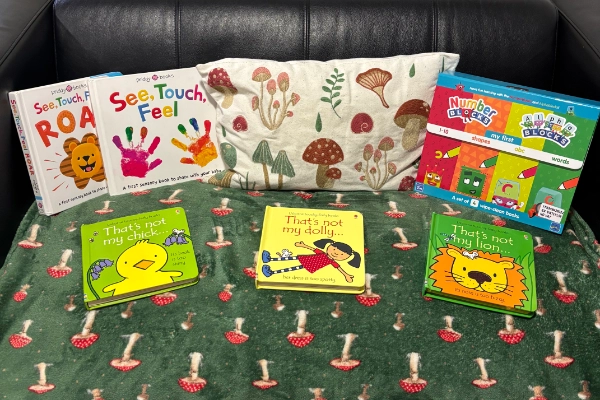
Accessing Learning
From early years to alternative provision
As Sam grew older, his mainstream school found that they were no longer able to meet his needs within their existing provision and commissioned ABA Pathways to provide alternative education.
Because we already knew Sam so well, we could build on the relationships, communication and learning skills developed through his early years support, while providing an environment and approach individually designed around him.
Finding the right school
Alternative provision was never intended to be Sam’s final destination.
We worked alongside his family, mainstream school and wider professional team to prepare him for a specialist SEND school that could meet his needs longer term.
The outcome
Sam successfully transitioned into his new school, taking with him the communication, regulation and independence skills he had developed.
His journey demonstrates what individualised support can achieve: from finding a way to communicate, to accessing education and successfully transitioning to the right long-term provision.
What Sam’s parents have to say
“ABA has helped our son in so many ways, from teaching him PECS and helping him learn new skills, to desensitising his triggers, supporting his sensory needs, and teaching him important life and self-care skills.
The progress he has made with their support has been incredible, but what has meant the most to us is the genuine love, patience and care they have always shown him. They have taken the time to truly understand him as an individual and have become like a second family to him.
We will always be incredibly grateful for everything they have done for our son and for the difference they have made to his life and ours.”
What the school have to say
“ABA Pathways have worked in partnership with our school, supporting a child as alternative provision. They have been a pleasure to work with, demonstrating professionalism, care and skill in their work with the child. They have supported him to make progress that we have not been able to achieve within our mainstream setting. We would not hesitate to recommend them.”