
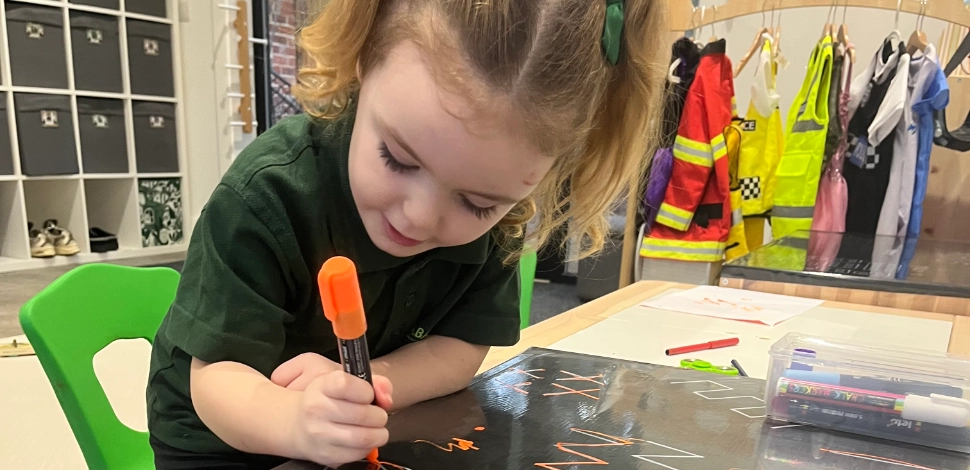
For families who have a young child recently identified with autism or SEND, and want play-based support that helps them build the skills to thrive in school later.
Our Early Intervention service provides individual, play-based support for young autistic children and children with emerging SEND needs. Learning is woven into motivating activities and everyday routines, with 1:1 support tailored to the child’s strengths and developmental priorities. We focus on foundations such as communication, play, learning readiness, independence and participation. Families are kept closely involved so progress and next steps are clear.
Locations:
HomeBicknacreCommunityWho is this for?
This may suit a young child, aged 18 months – 5 years, who is finding communication, play, transitions, self-care or early learning harder than expected, or whose family wants more individual support before school. It is designed for children who benefit from a nurturing environment, a high level of adult attention and learning that follows their interests. A diagnosis is not the starting point; the child’s current skills, needs and family priorities guide the programme.
What it involves
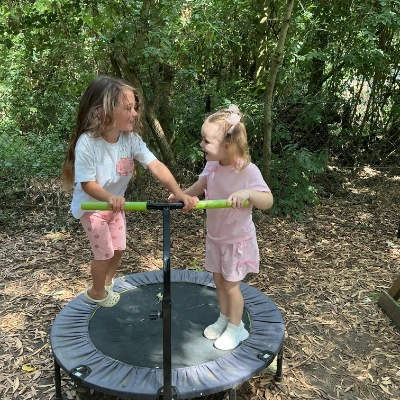
We begin by getting to know the child through conversation, observation and assessment. Meaningful goals are agreed with the family and broken into teachable steps. Sessions use play, routines and naturally occurring opportunities to teach. Practitioners build rapport first and use the child’s interests to make learning motivating. Skills may include functional communication, shared engagement, play, waiting, transitions, self-care, early learning and independence. Progress is recorded and reviewed regularly so teaching can be adapted. We also plan for generalisation, helping new skills transfer beyond the teaching moment into family life and future education settings.
How it’s delivered
Early Intervention is delivered 1:1 at our dedicated early-intervention setting in Bicknacre; a purpose-built environment where children can learn through play in a nurturing, individual programme. Frequency and session lengths are agreed around the child’s needs, tolerance, family circumstances and funded package, rather than using one fixed model. Trained early years practitioners deliver sessions with regular supervision from qualified behaviour analysts. Families receive ongoing feedback and are involved in reviews. Where useful, we collaborate with nurseries, schools and other professionals to support consistency and help the child use skills across people and environments.
Qualifications and oversight
Support is delivered by trained practitioners and early years educators, with regular supervision and oversight from qualified behaviour analysts. Oversight includes assessment, programme design, review of data, coaching and changes to teaching strategies when needed. We work within professional standards and keep families and relevant professionals involved in decisions.
The process

Free Initial Consultation
We start with a relaxed, no-obligation conversation about your child, your priorities and what support might help.

Developmental Assessment
We get to know your child’s strengths, needs and current skills throughso support starts from the right place.

Individual Learning Programme
Together, we agree meaningful, measurable goals and create a programme tailored around your child and family.

Starting Session
Our trained team begins support gradually, building rapport and helping your child feel safe, understood and engaged.

Constant Review
We collect data, review progress regularly and adapt support through ongoing conversations with families and professionals.
Case studies
See how ABA Pathways has supported children who have been referred by local authorities and professionals.
-

Oliver’s Outings
The situation Oliver has been supported by ABA Pathways for several years through our specialist respite service. For Oliver, respite is about much more than giving his family a break. It is about quality of life, meaningful experiences, trusted relationships and increasing the opportunities he can safely enjoy within his community. Oliver enjoys music, films,…
-

Lily’s Early Years Journey
The situation We first started working with “Lily” when she was just two years old. At that time, she did not yet have a functional way to communicate her wants and needs and needed significant support with early attending, interaction, independence and everyday skills. What we did Building the foundations early Our early intervention programme…
What families say about our Early Intervention
“Our experience with ABA Pathways and early intervention has been incredibly positive”
“One of the things I value most about early intervention is that it focuses on the individual child”